Space Planning and Layout Optimization for ADUs in California
By Joy Line Homes California
Designing an accessory dwelling unit (ADU) requires more than creative style. Every square foot must serve a purpose. Across Santa Clara, Campbell, Cupertino, Milpitas, Saratoga, and Los Gatos, homeowners are discovering that efficient space planning is the foundation of a comfortable, functional, and beautiful ADU. Whether built for family, rental income, or personal retreat, layout design determines how well the space performs in daily life.
Joy Line Homes specializes in modular and prefab ADUs that maximize livable area while maintaining flow and comfort. This guide explores how thoughtful space planning can transform compact footprints into open, adaptable environments without sacrificing aesthetics.
1. The Foundation of Efficient Layout Design
The first step in designing an ADU is understanding the relationship between form and function. In small structures, every inch matters. A good layout creates a sense of spaciousness through proportion, balance, and circulation. The key is not just fitting furniture into a room but designing around human movement and natural light.
Joy Line Homes uses digital modeling tools to evaluate how people flow through each space. This analysis shapes decisions about door placement, furniture size, and window alignment. When properly organized, even a 400-square-foot unit can feel surprisingly open and inviting.
2. Open Concept Living for Compact Homes
Removing unnecessary partitions creates visual continuity and improves flexibility. Open concept layouts combine kitchen, dining, and living zones into one unified space. For ADUs, this approach enhances natural light and ventilation while providing adaptability for different uses.
Joy Line Homes designs modular layouts with structural walls positioned at the perimeter, allowing internal spaces to remain open. Homeowners can later define areas with furniture, rugs, or lighting instead of permanent walls, ensuring versatility without clutter.
3. Zoning for Function and Privacy
Even open layouts benefit from thoughtful zoning. The goal is to separate active and quiet zones without isolating them. For example, a kitchen and dining area may flow together, while the bedroom is slightly offset for privacy. Zoning also considers noise levels, sightlines, and temperature comfort.
In two-bedroom ADUs, Joy Line Homes often places bedrooms at opposite ends of the structure, separated by living space. This configuration enhances privacy for guests or tenants while maintaining a cohesive environment. Proper zoning supports both independence and community under one roof.
4. Maximizing Vertical and Hidden Storage
Storage is one of the biggest challenges in ADUs. To combat clutter, design must extend beyond horizontal floor space. Tall cabinets, built-in shelving, and under-bed drawers make vertical and hidden storage essential. Using every available surface without compromising design harmony keeps small homes organized and serene.
Joy Line Homes integrates custom cabinetry and multi-purpose built-ins into its modular ADUs. For example, wall-mounted entertainment units conceal wiring, while benches double as storage chests. These solutions keep belongings tucked away yet accessible.
5. Multi-Functional Furniture and Adaptable Design
Flexible furniture is key to maintaining comfort in limited space. Convertible sofas, folding tables, and sliding partitions allow homeowners to change room functions instantly. A small living room can transform into a guest area or home office with minimal effort.
Joy Line Homes curates designs where form follows function. Modular furniture and adjustable shelving align with each unit’s architectural rhythm, ensuring consistent style. By focusing on mobility and purpose, homeowners can reinvent their layout as lifestyles evolve.
6. Lighting Strategies That Enhance Space
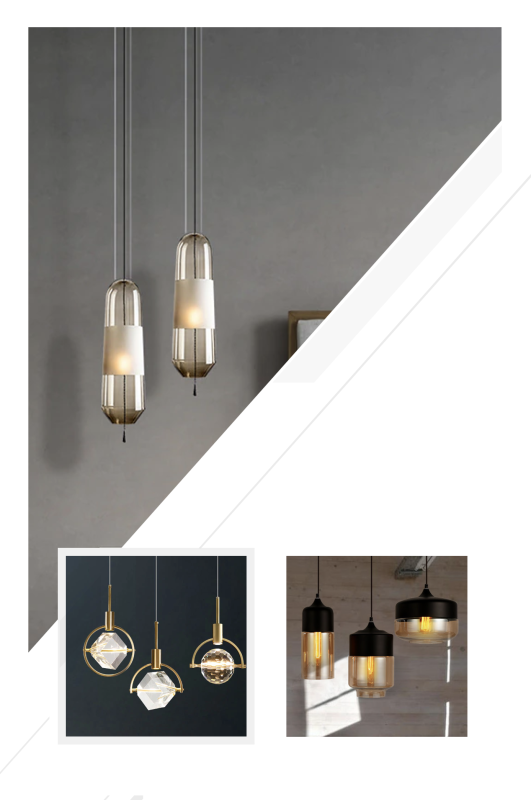
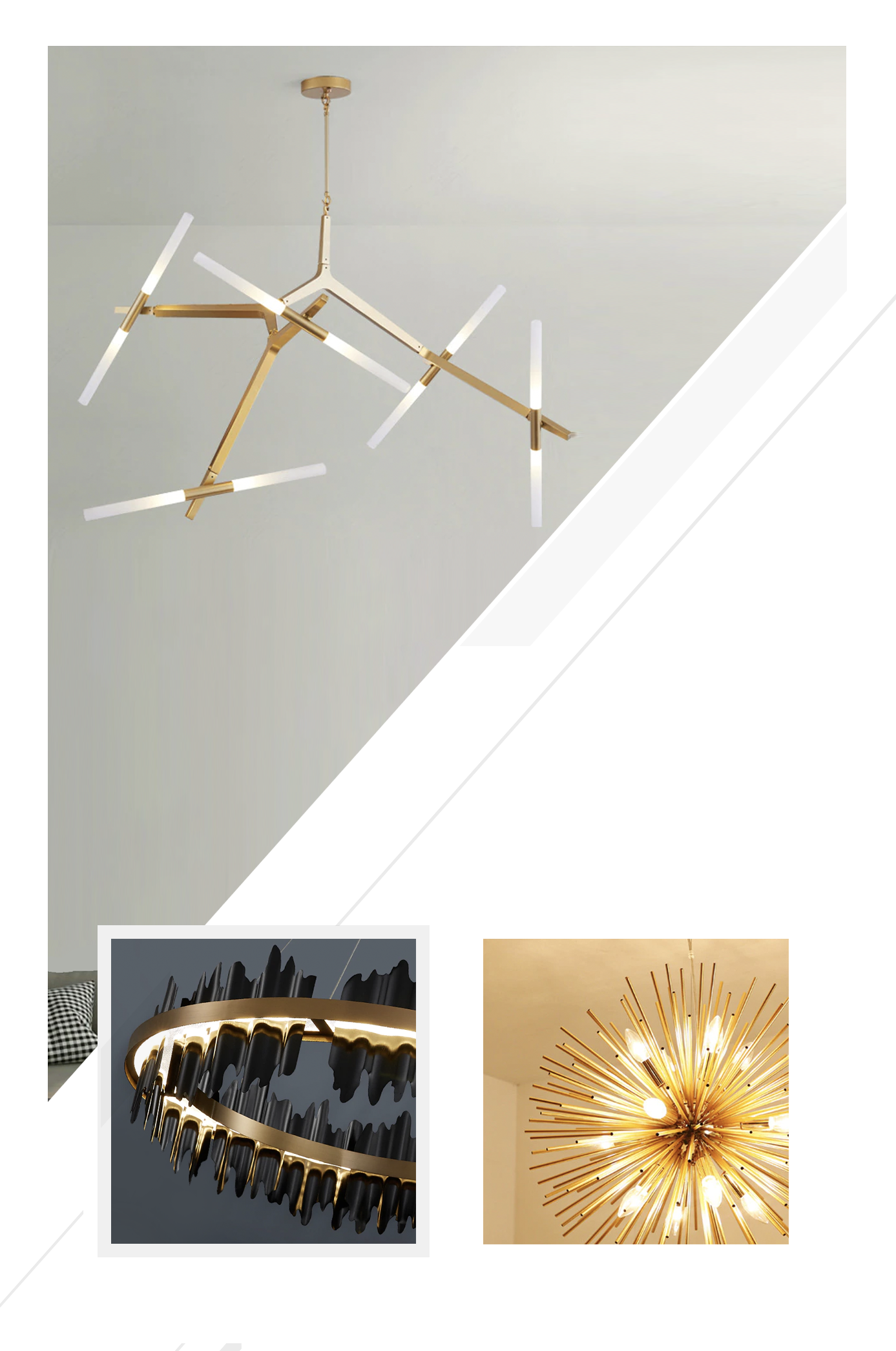
Lighting shapes how a space feels. Layered lighting—combining ambient, task, and accent sources—creates depth and warmth. Natural light remains the most powerful design tool for expanding perceived space. Strategically placed windows, clerestories, and glass doors connect the interior with the outdoors while reducing reliance on artificial lighting.
Joy Line Homes emphasizes passive daylighting by aligning openings along shared sightlines. Soft, indirect LED fixtures maintain balanced illumination after sunset, ensuring a welcoming atmosphere without harsh shadows.
7. Kitchen Efficiency and Flow
In ADUs, kitchens must balance beauty and practicality. The work triangle principle—positioning the sink, refrigerator, and stove in proximity—improves functionality and reduces wasted motion. Compact appliances, pull-out pantries, and vertical racks optimize storage without overwhelming the room.
Joy Line Homes designs ADU kitchens with modular cabinetry and integrated appliances to preserve counter space. Open shelving maintains visual lightness while offering easy access to everyday essentials. Every feature serves a purpose while complementing the overall design aesthetic.
8. Bathroom Design for Comfort and Accessibility
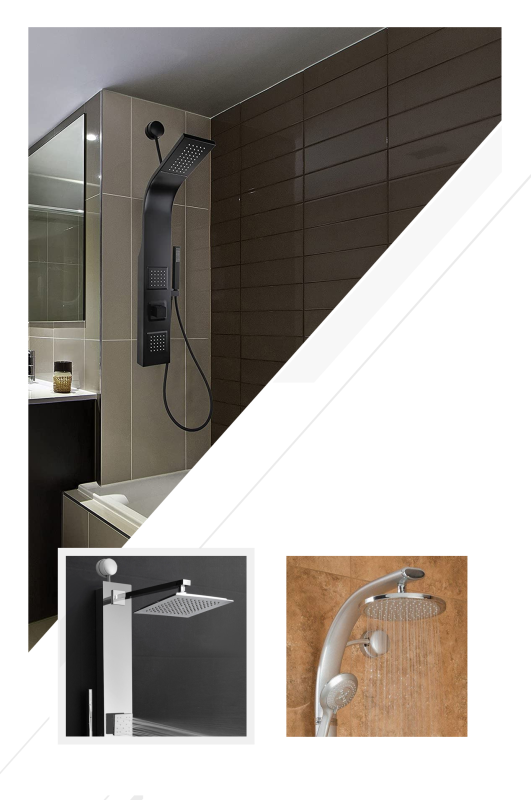
Bathrooms in ADUs benefit from smart planning that emphasizes usability. Pocket doors and corner sinks save floor area, while walk-in showers with clear glass panels increase visual spaciousness. Materials like porcelain tile and quartz counters provide durability without heavy maintenance.
For aging-in-place or rental applications, Joy Line Homes includes features such as lever handles, barrier-free entries, and adjustable showerheads. These thoughtful details make every ADU suitable for long-term, inclusive living.
9. Outdoor Integration and Expansion
California’s mild climate allows outdoor areas to become extensions of interior space. Decks, patios, and small gardens expand usability while improving natural airflow. Large sliding or folding doors dissolve the boundary between inside and outside, creating a dynamic living experience.
Joy Line Homes designs ADUs with aligned thresholds and continuous flooring between interior and exterior zones. This seamless connection enhances light, accessibility, and the overall perception of size. Outdoor integration remains one of the most valuable design strategies for small homes in California.
10. Circulation and Flow
Efficient circulation ensures that spaces feel comfortable and logical. Clear pathways prevent bottlenecks and maintain an intuitive layout. In narrow lots, linear floor plans reduce wasted corridor space. For larger parcels, L-shaped or courtyard layouts create natural separation between private and public areas.
Joy Line Homes tailors each design to the lot’s proportions and surroundings, ensuring both efficiency and visual harmony. By aligning traffic routes with light and ventilation paths, circulation becomes effortless and pleasant.
11. The Role of Color and Materials
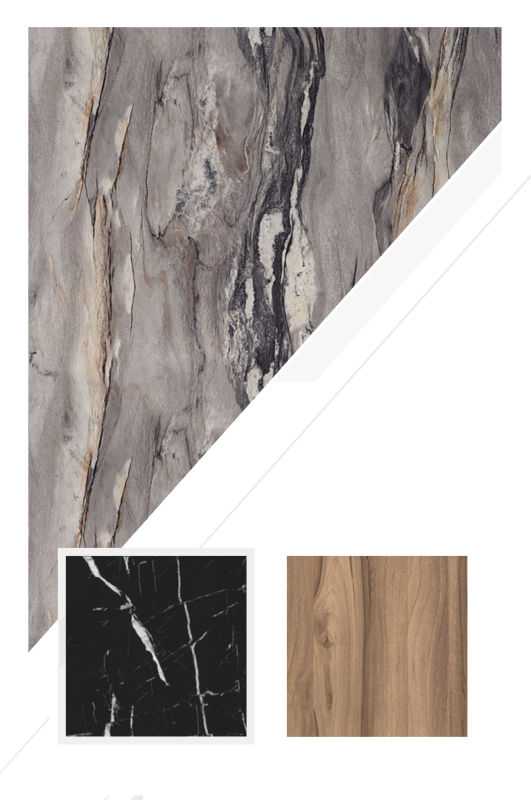
Color influences how we perceive space. Light tones such as cream, sand, or soft gray reflect natural light and make interiors appear larger. Textural materials like wood or linen add warmth without visual heaviness. Limiting the palette to a few coordinated hues ensures cohesion and calm.
Joy Line Homes selects materials that perform well in California’s climate—moisture-resistant flooring, UV-stable finishes, and easy-clean surfaces. The result is a balanced environment that feels both durable and refined.
12. Smart Home Integration in Layout Design
Technology enhances space efficiency through automation. Smart thermostats, lighting controls, and concealed wiring keep ADUs uncluttered and energy conscious. Integrated storage for routers and hubs maintains a clean look without sacrificing connectivity.
Joy Line Homes incorporates these systems during the design phase, ensuring that every module arrives pre-wired and ready for modern living. The combination of smart technology and thoughtful design delivers a home that adapts gracefully to future needs.
Conclusion: Designing Small Spaces That Live Large
When every inch counts, design becomes an art form. Through intelligent space planning and layout optimization, an ADU can provide the comfort and flexibility of a full-sized home within a smaller footprint. Joy Line Homes brings precision and creativity together to craft modular units that feel open, connected, and uniquely Californian.
From Santa Clara to Los Gatos, homeowners continue to embrace ADUs for their versatility and lasting value. With expert guidance, strategic design, and quality construction, your compact home can offer big living possibilities built around beauty, function, and flow.
Let's Get Started
Please Select the form that applies to you by selecting the appropriate tab above.
Based in Santa Clara County
Tel: (831) 888-Home
Email: info@joylinehomes.com
Business Hours: 9am - 6pm