Cost Breakdown of a Typical Home Addition
Expanding a home is one of the most practical ways to add comfort, functionality, and long-term value. For owners of Joy Line Homes in California, a well-planned home addition provides flexibility without the stress of moving — whether it’s to create space for aging parents, build a rental suite, add a home office, or meet the needs of a growing family. However, before construction begins, understanding the true cost of a home addition is essential for setting a realistic budget and ensuring a smooth project from start to finish.
This guide offers a comprehensive cost breakdown for a typical California home addition, with insights tailored for modular and prefab homeowners. From design fees and permits to foundations, framing, and finishes, this breakdown highlights what to expect at each stage — empowering Joy Line homeowners to make informed, confident decisions.
Average Cost Range for Home Additions in California
Home addition costs vary depending on size, scope, location, and materials. Because of higher labor rates, seismic requirements, and building regulations, California’s average construction cost is above the national norm. Here’s what homeowners can typically expect:
| Type of Addition | Typical Range (California) |
|---|---|
| Simple Room Extension (200–300 sq. ft.) | $80,000 – $120,000 |
| Full Living Suite or ADU (400–800 sq. ft.) | $150,000 – $300,000 |
| High-End Custom Addition | $300,000 and above |
While Joy Line’s modular systems provide efficiencies in framing and structure, site preparation, permitting, and finishing work still require careful budgeting. Let’s break down where those costs go.
1. Design, Planning, and Engineering
Every successful home addition starts with precise planning. Even modular-based projects must comply with California’s strict building codes. Costs typically include architectural drawings, structural calculations, and consultations.
- Architectural Plans: $3,000 – $8,000
- Engineering & Structural Calculations: $2,000 – $6,000
- Project Consultation: $1,000 – $3,000
These plans ensure your addition seamlessly integrates with your Joy Line home, both aesthetically and structurally.
2. Building Permits and Local Fees
Permits can vary greatly by jurisdiction. In California cities like San Jose, Los Angeles, and San Diego, reviews are thorough and may include impact fees or plan checks.
- Building Permit: $2,000 – $5,000
- Plan Check Fees: $1,000 – $3,000
- Utility & Impact Fees: $1,000 – $4,000
Budgeting early for these costs prevents delays later in the process.
3. Site Preparation and Foundation Work
Before construction begins, grading, excavation, and foundation installation are crucial. A stable foundation ensures long-term structural integrity — particularly in earthquake-prone California.
- Grading & Excavation: $5,000 – $15,000
- Foundation Slab or Footings: $10,000 – $25,000
- Reinforcement & Anchoring: $3,000 – $7,000
For modular additions, foundations must align precisely with the existing home’s specifications to maintain uniformity and meet state code standards.
4. Framing and Structural Construction
Framing builds the skeleton of your new space. Modular home additions may save on waste and time but still require skilled tradespeople and high-quality materials.
- Wood Framing: $25 – $45 per sq. ft.
- Steel Framing (optional): $35 – $55 per sq. ft.
Shear walls, seismic bracing, and local engineering upgrades are often mandatory to ensure safety.
5. Roofing Integration
Extending or blending roofs is a complex process that ensures waterproofing and aesthetic consistency. Costs depend on roof type and slope.
- Truss/Rafter Integration: $5,000 – $12,000
- Roofing Materials & Labor: $7,000 – $15,000
Tile or standing seam metal roofs cost more but last longer and offer superior curb appeal.
6. Exterior Siding and Weatherproofing
Exterior finishes must complement the existing home’s design. Joy Line additions often use fiber cement panels or engineered siding for durability and aesthetics.
- Fiber Cement or Panel Siding: $10 – $20 per sq. ft.
- Stucco (optional): $15 – $25 per sq. ft.
- Weather Barriers & Sealants: $2,000 – $5,000
Proper sealing and insulation are key to maintaining energy efficiency and moisture resistance.
7. Windows and Doors
Modern windows and glass doors enhance both the look and energy performance of a home. California’s energy code mandates dual-pane or better glazing for all new openings.
- Windows: $500 – $1,200 each
- Sliding/French Doors: $2,000 – $5,000
- Energy-Efficient Upgrades: +15–20%
8. Interior Construction and Utilities
This phase covers electrical, plumbing, and HVAC work — often the most complex part of any addition. Extensions must connect seamlessly to existing systems.
- Electrical: $3,000 – $8,000
- Plumbing: $5,000 – $15,000
- HVAC: $4,000 – $10,000
Bathrooms, kitchens, or laundry rooms significantly increase utility costs due to added plumbing and ventilation.
9. Insulation and Drywall
Insulation supports comfort, while drywall creates the visual and structural finish of interior walls.
- Insulation: $2 – $4 per sq. ft.
- Drywall Installation: $3 – $5 per sq. ft.
Joy Line additions use high-performance insulation for energy efficiency under California’s Title 24 standards.
10. Interior Finishes and Final Touches
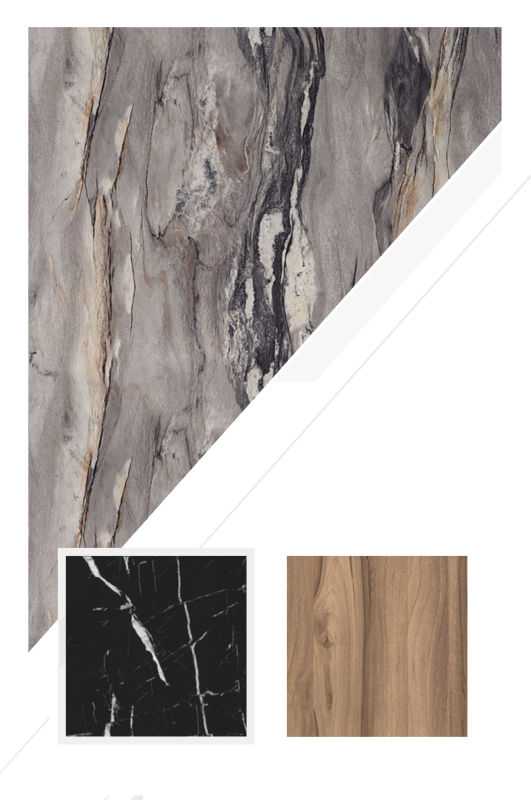
Interior finishes determine the aesthetic outcome — from flooring to paint to cabinetry. This phase typically accounts for 10–20% of the total budget.
- Flooring (Laminate/Vinyl): $5 – $10 per sq. ft.
- Tile in Wet Areas: $10 – $25 per sq. ft.
- Interior Paint: $3 – $5 per sq. ft.
Upgraded finishes like quartz countertops or custom millwork can elevate both comfort and resale value.
Hidden or Overlooked Costs
- Utility Upgrades: Panel, sewer, or water capacity improvements.
- Landscaping Restoration: Yard repair after construction access.
- Temporary Living Costs: If access is restricted during construction.
Experts recommend adding a 10–15% contingency to all budgets to manage unforeseen expenses.
Regional Pricing Factors Across California
Labor availability and local regulation impact costs significantly:
- Bay Area: Highest labor and permit costs
- Southern California: Moderately high, especially coastal zones
- Central Valley: More affordable
- Rural Counties: Lower costs but limited contractor availability
Cost-Saving Tips for Joy Line Additions
- Use modular or prefab components to reduce framing time and waste.
- Stick to standardized plans to avoid costly re-engineering.
- Build during off-peak seasons to secure better labor rates.
- Compare multiple bids for transparency and negotiation power.
Conclusion: Building Smart for Long-Term Value
A home addition is a major investment — but with the right planning, it becomes one of the most rewarding projects a homeowner can undertake. For Joy Line Homes, where modular precision meets modern design, thoughtful budgeting ensures success from foundation to finish. By understanding every phase of the process and anticipating true costs, homeowners can expand confidently, creating new spaces that enhance both lifestyle and property value.
With expert guidance and smart financial planning, your Joy Line addition isn’t just an extension — it’s an evolution of how you live.
Let's Get Started
Please Select the form that applies to you by selecting the appropriate tab above.
Based in Santa Clara County
Tel: (831) 888-Home
Email: info@joylinehomes.com
Business Hours: 9am - 6pm