Best Practices for Indoor Air Quality During and After Construction
By Joy Line Homes California
When people dream about their new home, they often imagine big windows, bright rooms, and stylish finishes. What they don’t usually think about is something invisible but just as important, the air they’ll breathe every single day. In California, where modern prefab and modular homes are designed to be tightly sealed for efficiency, fresh, clean air inside the home becomes even more essential.
At Joy Line Homes, every detail of construction is designed to create comfort, from the layout of your floor plan to the purity of your indoor air. Maintaining healthy air quality starts long before move-in day. It’s a journey that begins at the planning stage and continues through everyday living. Here’s how homeowners can keep their new space fresh, breathable, and healthy from day one.
Why Indoor Air Quality Deserves More Attention
New homes smell like paint and wood, but those smells often mean something else. Behind that “new home scent” are chemicals called volatile organic compounds, or VOCs, which are released from paint, adhesives, flooring, and even cabinetry. When homes are energy-tight, those gases and fine particles can linger for weeks. Over time, poor air circulation and hidden dust can affect comfort, mood, and even long-term health.
Taking steps early ensures your home feels as good as it looks. Fresh air and smart ventilation create a space that feels alive, a home that truly breathes with you.
Planning Ahead Before Construction Begins
Healthy air starts long before the walls go up. Builders and homeowners can work together to make smart choices that protect air quality from the very beginning. Choose materials that are low in chemical emissions. Ask your contractor about ventilation plans during the build and make sure fresh air will circulate while finishes and sealants cure.
In prefab homes like those built by Joy Line, much of the construction happens in a clean, climate-controlled environment. That reduces exposure to weather, mold, and debris. Still, once modules arrive on site, open-air ventilation is key while installation and finishing are underway.
Choosing Materials that Breathe Easy
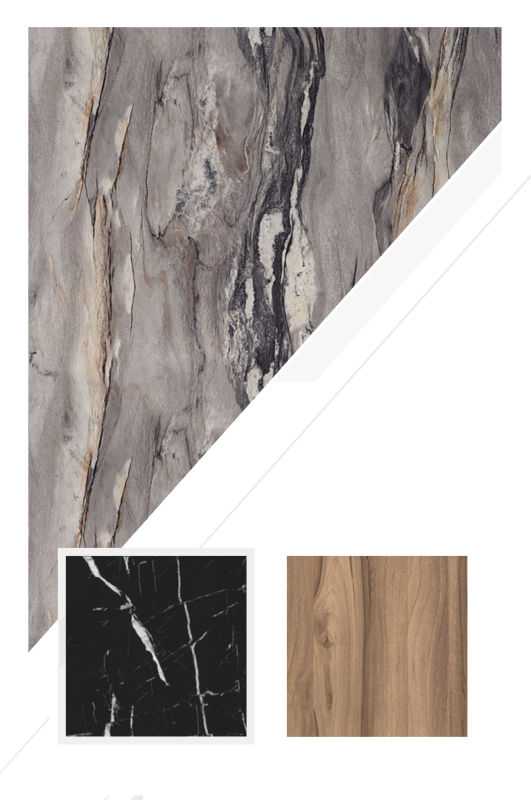
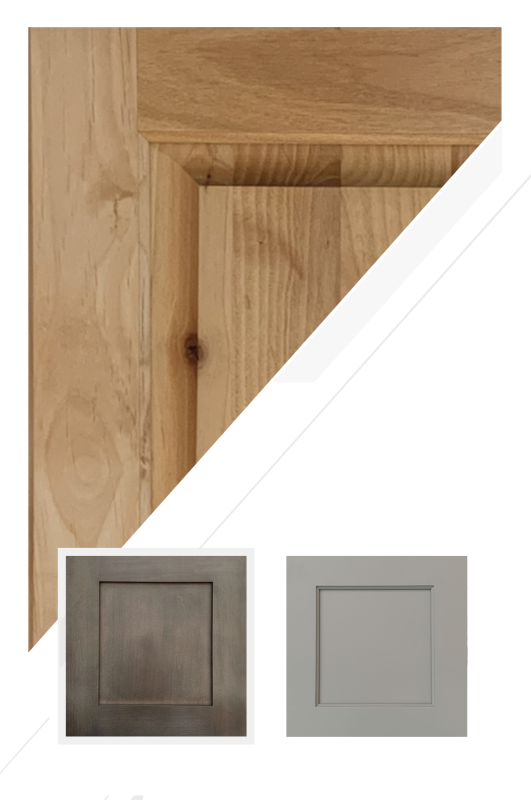
Every product used in your home adds to its indoor environment. Look for paints labeled “low-VOC” or “zero-VOC.” Select adhesives that are water-based instead of solvent-based. Formaldehyde-free cabinets and non-toxic flooring options are becoming standard, not just for health, but for comfort and peace of mind. When possible, use pre-finished materials that have already released any fumes before they arrive at your property.
Keep the Air Moving During Construction
Ventilation is your best friend while your home is being built. Open windows, use temporary fans, or run filtered air movers during painting and sealing stages. Never let construction crews seal the space too early, fresh air must have time to carry away fumes and moisture. Portable air purifiers can also help remove fine dust that hangs in the air during sanding or flooring work.
Dust, Dirt, and the Hidden Mess You Don’t Want
Construction dust can sneak into every corner. Fine particles from drywall, concrete, and insulation can remain airborne for hours and settle into your HVAC system. The solution? Prevent dust from spreading. Workers should use HEPA-filtered vacuums and seal off non-construction zones with simple plastic sheeting. Air vents should stay covered until the very end of construction. Cleaning with damp cloths or mops, rather than dry sweeping, keeps particles from circulating again.
Protecting Your HVAC System
Your HVAC system is the lungs of your home. Keeping it clean during construction is crucial. Ducts should be capped to prevent debris from entering. Once the build is complete, install high-efficiency filters (MERV 11 or higher) to trap even the smallest particles. Change them monthly for the first few months, they’ll fill quickly as your home “settles in.” If a lot of work dust has built up, consider having ducts cleaned before you move in to give your system a truly fresh start.
Controlling Moisture Before It Becomes Mold
California’s coastal air and seasonal humidity can challenge any home. Moisture control is vital to good air quality. Bathrooms and kitchens should always have vented exhaust fans that lead outside, not just into the attic. Crawl spaces need vapor barriers, and weather seals around doors and windows should be checked before closing. Keeping indoor humidity around 40 percent prevents mold and keeps air feeling comfortable year-round.
Those Crucial First Three Months
Once construction wraps up, your home will still “breathe out” for several weeks as materials finish curing. Keep windows open whenever you can. Run the HVAC fan on a low, continuous setting to move fresh air throughout. Use portable purifiers with carbon filters to absorb odors and capture chemical traces. If the air smells new, it means there’s still work to do, keep it ventilated until that scent fades naturally.
Healthy Air Habits for Everyday Living
Long-term air quality depends on what you do after you move in. Use gentle cleaning products made without harsh chemicals. Vacuum regularly with a HEPA-filtered vacuum, and never block return vents with furniture. Adding a few air-purifying plants, like snake plants, peace lilies, or ferns, brings a bit of nature indoors and keeps air fresh. Avoid heavy scented candles or sprays that reintroduce pollutants you worked so hard to eliminate.
Keep Testing and Stay Curious
Clean air isn’t a one-time achievement, it’s an ongoing commitment. Affordable home test kits can measure VOC levels, formaldehyde, or mold spores. Regular HVAC maintenance ensures that filters and ducts stay clear. If you’ve had water leaks or notice unusual smells, consider bringing in an air quality expert. A quick check can prevent long-term issues and keep your home healthy for years to come.
California’s Push for Cleaner Indoor Air
California’s building codes now recognize the connection between energy efficiency and indoor air quality. Under Title 24, new homes must include mechanical ventilation to ensure balanced airflow. For modular and prefab homeowners, installing systems like ERV or HRV units can automatically refresh indoor air while conserving energy. These are especially valuable during wildfire season, when outside air needs filtration before entering the home.
Building a Home That Feels Good Inside and Out
Air quality might not be visible, but you can always feel the difference. Fresh air brings lightness, energy, and comfort that turn a house into a sanctuary. For Joy Line Homes, clean indoor air is not an afterthought, it’s part of our foundation for every build. By combining modern design with smart environmental choices, we help California homeowners breathe easier and live better.
In the end, creating a healthy home isn’t complicated, it’s simply about care, intention, and good habits. When you choose materials wisely, manage dust and moisture, and keep air moving freely, your home will reward you with an atmosphere that feels open, natural, and alive. That’s what true modern living is all about.
Let's Get Started
Please Select the form that applies to you by selecting the appropriate tab above.
Based in Santa Clara County
Tel: (831) 888-Home
Email: info@joylinehomes.com
Business Hours: 9am - 6pm