A Day in the Life: Modern Living in San Francisco
By Joy Line Homes California
San Francisco has a rhythm that is both creative and composed. Neighborhoods like Noe Valley, the Mission, and Dogpatch carry a spirit of invention, yet they also prize simplicity and ease. A Joy Line Home fits this balance with quiet confidence. Modular precision pairs with warm, modern design to create a daily experience that feels effortless. What follows is a walk through a typical day in a Joy Line Home in the city, from the first light of morning to the last moment before sleep, and how thoughtful details support a life that is calm, connected, and beautifully practical.
Morning light and easy beginnings
Sunrise arrives softly through high performance windows. The bedroom is oriented to welcome natural light without glare, and the palette stays neutral so the room never feels busy. Floors in a resilient wood look finish are quiet underfoot and remain warm to the touch. The space is intentionally clean, with integrated storage that hides clutter and keeps attention on what matters. You step through sliding doors to a small balcony and breathe fresh air that rolls in from the bay. The city is waking up, and your home gives you a quiet place to greet it.
In the kitchen, the day starts with a ceremony as simple as coffee. The counters are quartz, the appliances are efficient, and the plan is open enough to carry a conversation across the room without raising your voice. There is a clear view to the living area, where the morning light stretches across a sofa and falls onto a low bookshelf. The island is scaled for both work and gathering. It can hold a laptop, a breakfast plate, and a vase of eucalyptus without feeling crowded. The overall impression is inviting but precise, built for daily life rather than show.
Work that blends focus and calm
By early morning, the home shifts easily into work mode. A flexible room off the main living space serves as a studio, office, or reading nook. Glass partitions allow daylight to flow while keeping sound contained. The acoustics feel considered rather than accidental. Outlets and data lines are exactly where you need them. Heating and cooling respond quickly because the envelope is tight and efficient. These are the quiet benefits of modular construction. When components are engineered in a controlled environment, every seam closes correctly and the systems perform with steady confidence.
Late morning brings a pause. A short walk through the neighborhood supplies a pastry and a second espresso. Back at home, French doors open to a small courtyard where a bistro table waits in a patch of sun. Because the walls and windows are designed for performance, interior temperatures stay stable. The home remains cool on warm days and evenly comfortable when the fog rolls in. You notice how the outdoor and indoor spaces speak the same language. The deck boards line up with interior flooring. The trim color continues outside. The effect is one continuous living area rather than separate zones.
Afternoon momentum
As the sun moves, the workspace brightens and then softens. Glare stays under control through a combination of window placement and discreet shading. The room does not fight the light, it uses it. Small moments of care reveal themselves. A built in niche holds notebooks and chargers. A low cabinet hides a printer. The desk faces toward the city rather than a wall, which makes long tasks feel shorter. You notice again how a home that is well planned does more than save steps. It clears mental space. It makes your attention available for the work you came here to do.
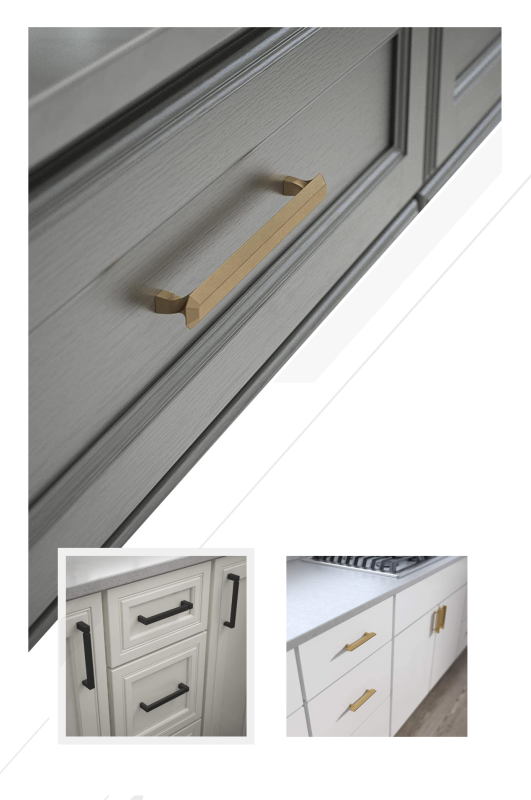
By mid afternoon, the balcony calls. It is big enough for a chair and a plant, small enough to feel private. The view is not grand, but it is real. You see rooftops and trees and a slice of sky. There is a quiet satisfaction in knowing the house was not simply built. It was designed to serve your day with intention. Every surface is durable without feeling hard. Every fixture feels solid in the hand. Energy use stays low because the shell is tight and the equipment is efficient. Elegance shows up in the utility bill as much as it does in the light fixtures.
Evening that welcomes people in
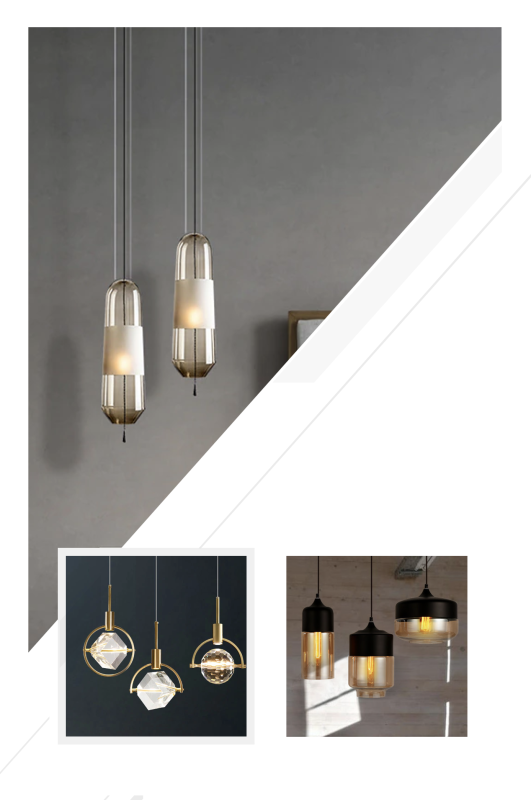
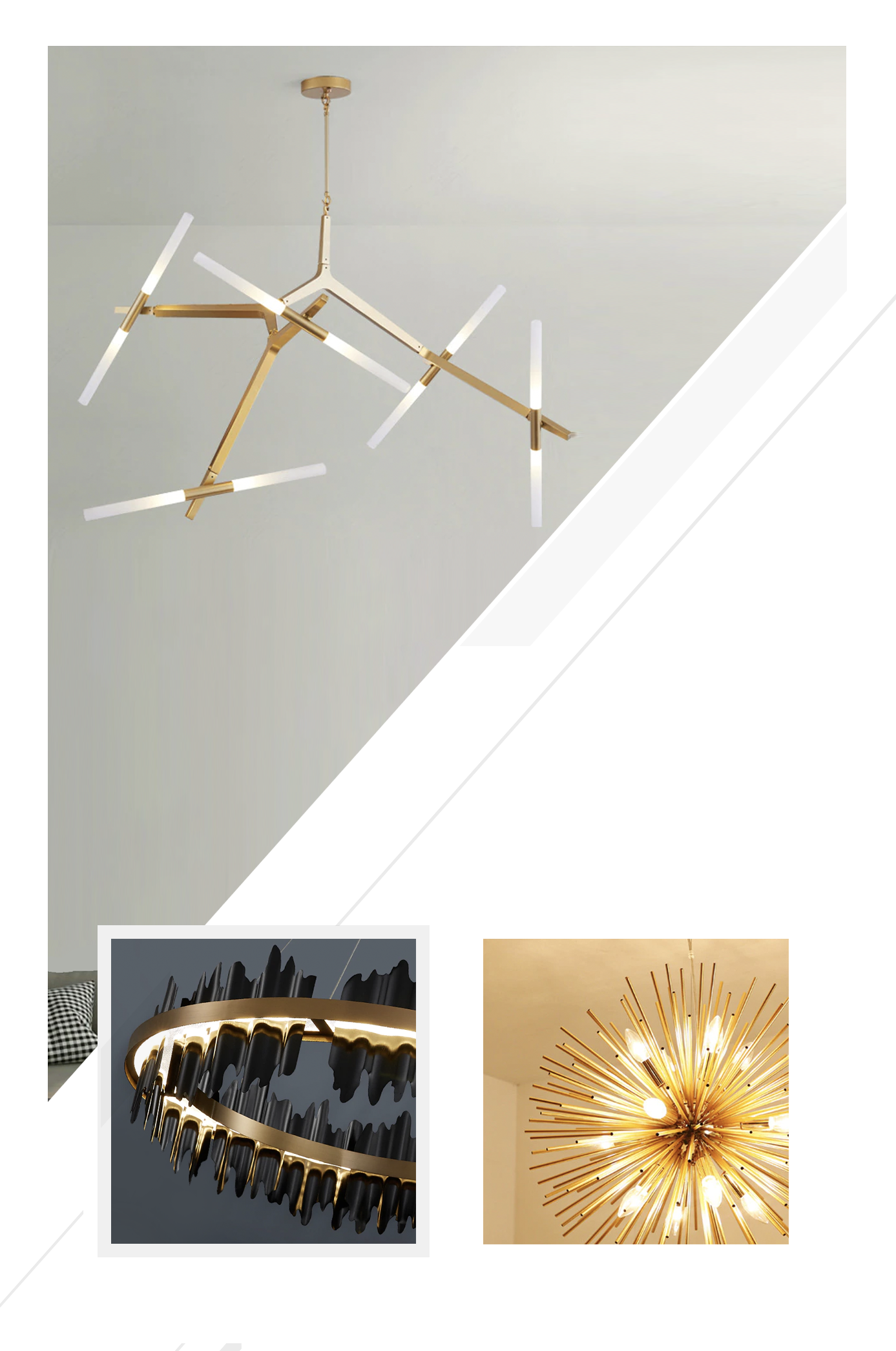
As the daylight fades, the home changes tone. A dimmer lowers the kitchen lights and the quartz softens into a low glow. The open plan turns preparation into conversation. Chopping, stirring, and setting the table happen without bumping into edges. The finishes feel warm and restrained. Where wood appears it is used sparingly and with purpose. Where metal appears it feels refined and light. The room holds sound well. Voices feel close and music is present without dominating the space.
Guests arrive and the living area adapts. A large opening to the courtyard stretches the room without breaking the sense of scale. The transition is nearly level, so moving between inside and outside feels natural. On cooler nights, a discreet heater keeps the courtyard comfortable. On warm nights, a gentle cross breeze drifts through the plan. It is easy to see why this layout invites gatherings. The house never feels like it is performing. It simply supports the people inside it.
Quiet nights that restore energy
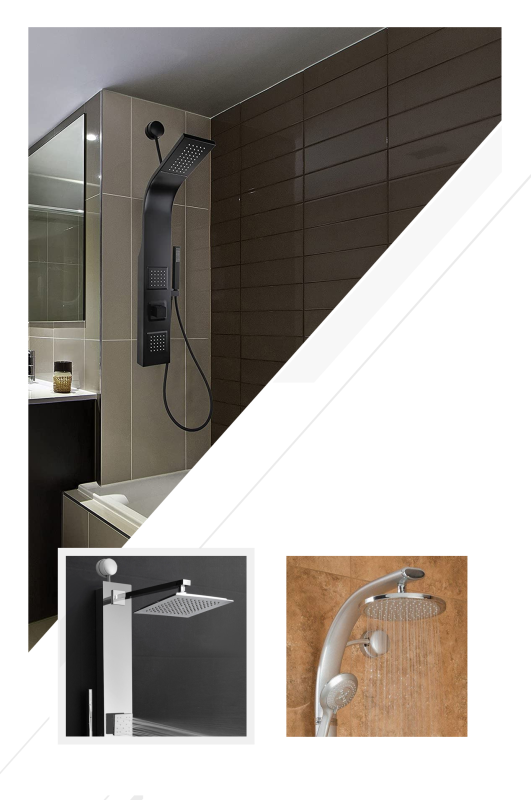
Later in the evening, the home slows down. A single scene on the control panel sets the temperature for sleep, lowers the shades, and secures the exterior doors. The lighting warms and drops to a low level that keeps the mood soft. The bedroom returns to stillness. The walls keep city noise at a distance. The bathroom feels like an extension of the suite rather than a separate room. Fixtures are quiet and precise. Surfaces clean easily. The air feels fresh because ventilation is balanced and filtered.
Before sleep, there is a moment of gratitude. The day felt orderly but never rigid. Work had its place. Rest had its place. Time with friends felt unforced. The house did not ask for attention. It gave it back. That is the feeling a Joy Line Home aims to create. Modern in form. Practical in function. Gentle in how it fits into daily life.
Why this approach fits San Francisco
The city rewards design that respects time and space. A factory built home shortens construction schedules and reduces neighborhood disruption. Modules arrive complete, which limits noise and waste on site. Predictable production helps control cost and improves quality. For homeowners, that means clear timelines and fewer surprises. In a city where coordination can be complex, this reliability matters.
Quality and choice sit together comfortably. Joy Line offers model frameworks that adapt to many needs. Floor plans can shift to add a work studio, a guest suite, or a larger kitchen. Finish palettes range from crisp and minimal to warm and textured. Ceiling heights feel generous without being showy. Windows frame views with intention. The result is a home that feels custom without the uncertainty of a bespoke process.
Urban space is precious. Designs that use it well feel larger than their square footage. Many Joy Line layouts create outdoor rooms that function year round. A compact courtyard can bring light deep into the plan. A small roof terrace can become the most loved space in the house. These moves extend living area without extending the footprint, which is good urban citizenship and good design.
Sustainability is not an afterthought. It begins in the factory, where cut lists limit waste and assemblies are consistent. It continues on site, where tight envelopes, efficient mechanical systems, and high performance windows reduce energy demand. Water sense fixtures and smart controls make conservation automatic. Over time, these choices pay back in utility savings and a calmer environmental footprint. In a city that values responsibility, this alignment matters.
Cost clarity helps people plan. Modular delivery often brings savings compared to long site builds. Transparent scopes outline what is included, from foundation work to utility connections. In a high cost market, knowing where the dollars go is powerful. Predictable schedules also reduce carrying costs, which is another form of value that owners can feel.
Understanding the urban realities
Every project has context. Land and permits are the most complex parts of building in San Francisco. Some neighborhoods carry architectural guidelines that shape exterior expression. Narrow streets can affect delivery routes. Crane access may require careful staging. These are not obstacles but parameters. With the right planning and the right partner, they are managed with steady hands. A good team anticipates constraints and designs for them rather than fighting them.
A day that adds up to a life
When people think about a home, they often focus on a single image. A facade at dusk. A kitchen with flowers on the island. A terrace with a view. What matters most is how the home supports the hundreds of small moments that make a day feel complete. The morning light that enters gently. The desk that helps you work clearly. The dinner that comes together without strain. The friends who feel welcome. The soft landing as the house quiets for the night. A Joy Line Home is designed so that these moments arrive with ease.
Living in San Francisco asks for flexibility and grace. A home that is efficient, adaptable, and calm can make the pace of the city feel friendly. Modular precision gives you that foundation. Thoughtful design gives you the feel. Together they create a way of living that is generous to the people inside it and respectful of the neighborhood around it. The result is a home that keeps its promises. Comfortable. Efficient. Beautiful without excess. Ready each morning to begin again.
Closing thought
A Joy Line Home is not just a modern address. It is a companion for the way you live now. It brings clarity to your routines and beauty to your gatherings. It keeps energy use in check and maintenance simple. It offers a framework that grows with you. If the city is your canvas, this is a home that lets your days paint the picture with ease and light. In San Francisco, where innovation and craft meet at every corner, that balance feels exactly right.
Let's Get Started
Please Select the form that applies to you by selecting the appropriate tab above.
Based in Santa Clara County
Tel: (831) 888-Home
Email: info@joylinehomes.com
Business Hours: 9am - 6pm