Sustainable Building Practices for ADUs and Tiny Homes in California
By Joy Line Homes California
Building an accessory dwelling unit (ADU) or tiny home in California is not only about adding more living space but also about creating a structure that supports long-term sustainability. For homeowners across Santa Clara, Campbell, Cupertino, Milpitas, Saratoga, and Los Gatos, environmental responsibility is more than a trend; it is a way of living. Sustainable building practices enhance comfort, reduce utility costs, and align with California’s ambitious goals for a greener future.
Joy Line Homes integrates environmentally conscious design into every modular and prefab project. From selecting renewable materials to implementing energy-efficient systems, each decision supports healthier living and lower environmental impact. This article explores how sustainability can be built into every corner of your ADU or tiny home project.
1. Energy-Efficient Design from the Ground Up
Energy efficiency begins with orientation and layout. Positioning windows to maximize natural light and cross ventilation reduces the need for artificial lighting and mechanical cooling. At Joy Line Homes, designers study sun angles and prevailing breezes for each lot to ensure your ADU performs naturally without excess energy use.
Insulated walls, high-performance windows, and airtight construction are essential. Modular construction allows tighter quality control than traditional on-site builds, reducing gaps and drafts. With advanced framing techniques and factory precision, every seam contributes to lower heating and cooling demands all year long.
2. Solar Power Integration
California is one of the best places in the nation to harness solar energy. Adding photovoltaic panels on your ADU or tiny home not only decreases dependence on grid power but can also generate surplus energy. In communities like Cupertino or Saratoga, where sustainability incentives are common, solar installations can help offset upfront costs.
Joy Line Homes designs rooflines and conduit pathways that make solar integration seamless. By planning for solar early in the design phase, homeowners avoid costly retrofits later. Many ADUs can even qualify for California’s net metering programs, where excess solar power is credited back to your electric bill.
3. Water Conservation Systems
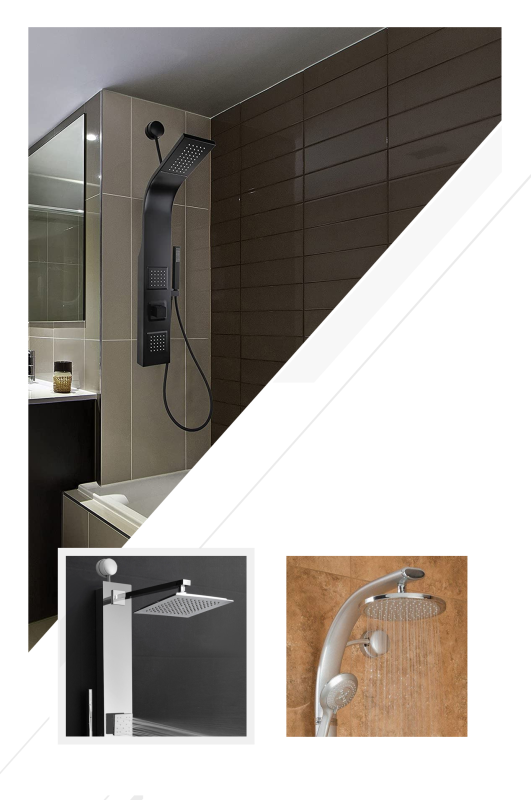
Water is one of California’s most precious resources. Sustainable ADUs incorporate efficient plumbing fixtures, low-flow faucets, and water-saving showerheads to reduce daily consumption. In cities such as Santa Clara and Campbell, drought-resistant landscaping paired with smart irrigation ensures that outdoor areas stay beautiful without wasting water.
Greywater systems can reuse water from sinks, showers, and laundry for landscape irrigation. This reduces strain on municipal supplies and can cut total household water use by up to 40 percent. Rainwater harvesting tanks are another popular addition, capturing free water directly from the roof for garden use.
4. Sustainable Materials and Low-Impact Construction
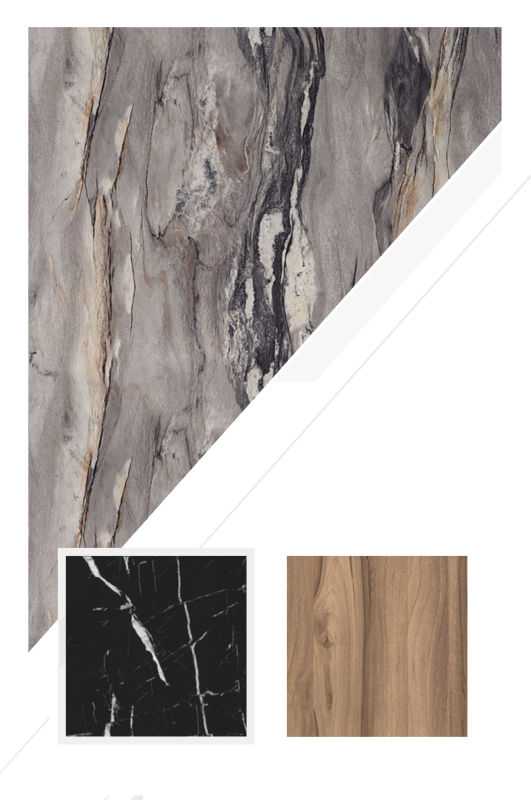
Choosing sustainable materials means selecting products that last longer and are less harmful to the environment. Joy Line Homes prioritizes materials that are recycled, recyclable, or rapidly renewable. Examples include engineered wood framing, bamboo flooring, and composite decking made from reclaimed plastics.
Factory-built ADUs create less waste than traditional construction. Because materials are cut and assembled with digital precision, offcuts are minimized and recycling rates are higher. Reduced transportation and site disturbance mean a smaller carbon footprint overall, especially in established neighborhoods like Los Gatos or Saratoga.
5. Smart Energy Management
Energy-efficient appliances, LED lighting, and smart thermostats are essential components of sustainable living. These technologies monitor and optimize performance in real time, allowing homeowners to see exactly how energy is used. A smart thermostat, for example, can learn your habits and adjust heating or cooling schedules automatically for maximum comfort with minimal waste.
Smart plugs, lighting zones, and occupancy sensors can further reduce consumption. Combined with solar and battery storage, ADUs can achieve partial or complete energy independence, reducing monthly costs while protecting against outages.
6. Waste Reduction and Recycling Practices
Waste reduction starts during construction but continues throughout the lifespan of the home. Modular construction generates up to 80 percent less waste than traditional building methods. Leftover materials are recycled or reused for future projects instead of ending up in landfills.
Inside the finished home, built-in recycling and composting stations make sustainable living part of your daily routine. By making it easy to separate waste streams, Joy Line homeowners create habits that lower environmental impact without adding extra effort.
7. Improved Indoor Air Quality
Sustainability also means creating healthier living environments. Many traditional materials release volatile organic compounds (VOCs) that affect indoor air quality. Joy Line Homes uses low-VOC paints, adhesives, and finishes to keep air fresh and breathable.
Advanced filtration systems and energy recovery ventilators maintain constant airflow while filtering dust and allergens. Proper ventilation is critical in smaller homes where air volume is limited. Clean air reduces fatigue, improves concentration, and supports long-term wellness for residents.
8. Compact Design with Maximum Functionality
Sustainable living is also about using space wisely. Joy Line Homes crafts layouts that make every square foot count. Open floor plans, multi-functional furniture, and clever storage allow tiny homes to live large. The more efficient the design, the fewer materials and resources are required.
Natural daylighting and reflective interior finishes further reduce energy needs. When small spaces feel open and bright, they require less artificial lighting during the day. These thoughtful touches enhance livability while maintaining a low environmental footprint.
9. Green Roofing and Outdoor Enhancements
Green roofs and cool roofing materials reduce heat absorption, lowering cooling loads and mitigating the urban heat island effect. In areas such as Campbell or Cupertino, homeowners can also explore living walls or rooftop gardens to improve insulation and promote biodiversity.
Permeable pavers and gravel paths allow rainwater to soak into the ground instead of running off into storm drains. Combining native landscaping with recycled hardscaping materials creates an inviting outdoor environment that stays eco-friendly and low maintenance year-round.
10. Efficient Construction Timeline
Prefabrication reduces on-site disruption and speeds up project completion. Shorter build times mean less noise, fewer deliveries, and reduced emissions from construction vehicles. Joy Line Homes builds ADUs and tiny homes in climate-controlled facilities, ensuring higher quality while minimizing exposure to weather-related waste.
In neighborhoods like Los Gatos and Milpitas, faster builds also reduce community impact. Sustainable construction is not just about what you build, but how you build it.
11. Resilient Foundations and Long-Term Durability
Durability is a cornerstone of sustainability. A structure that lasts decades without major repairs conserves more resources than one that requires constant maintenance. Joy Line Homes uses moisture-resistant framing, steel reinforcements, and sealed foundations that withstand California’s diverse climates.
Durable siding, metal roofing, and weather-resistant finishes protect the home from the elements while requiring minimal upkeep. The result is a structure that remains beautiful, safe, and efficient for generations.
12. Meeting and Exceeding California Standards
California has some of the strictest energy and environmental regulations in the United States. Joy Line Homes not only meets but often exceeds standards such as Title 24 Energy Efficiency and CALGreen Building Codes. Each ADU is inspected for compliance with structural, mechanical, and energy performance benchmarks before installation.
For homeowners, this means peace of mind knowing your investment aligns with state sustainability goals while qualifying for potential incentives and rebates. Sustainable design today ensures regulatory compliance tomorrow.
13. Community and Environmental Impact
Sustainable ADUs and tiny homes contribute to healthier communities. They make efficient use of land, reduce strain on infrastructure, and provide housing opportunities for multigenerational families or renters. By adopting eco-friendly construction, residents of Santa Clara and surrounding cities set an example for responsible growth.
Each project is a small but meaningful step toward California’s statewide commitment to renewable energy and carbon reduction. Homeowners become partners in this larger movement by choosing builders like Joy Line who share the same values.
Conclusion: Building for the Future, Responsibly
Choosing sustainable building practices for your ADU or tiny home is a commitment to long-term comfort, efficiency, and environmental responsibility. From solar panels to recycled materials, each decision adds up to measurable change. With Joy Line Homes, every project is designed to minimize impact while maximizing livability.
Whether in Santa Clara, Campbell, Cupertino, Milpitas, Saratoga, or Los Gatos, homeowners can create beautiful spaces that reflect California’s forward-thinking values. A sustainable ADU is not just a home addition; it is an investment in a cleaner, smarter, and more resilient future.
Let's Get Started
Please Select the form that applies to you by selecting the appropriate tab above.
Based in Santa Clara County
Tel: (831) 888-Home
Email: info@joylinehomes.com
Business Hours: 9am - 6pm